Seeding & planting buyer’s guide
Robots that sow seed or plant out, recording the exact position of every seed.
What these robots do
They sow seed at exact points and remember where every seed went.
A seeding robot drives along the field on its own and puts seed into the soil. Some also plant out young plants or tree seedlings.
It knows where it is through RTK-GPS. This is satellite positioning with an extra correction signal, so it is much more exact than the GPS in a phone.
Many small robots run on solar panels or batteries. They store the position of every seed they drop. This record is called a seed map.
Later, the same robot can use the seed map to hoe close around each plant without hitting it. Hoeing means cutting weeds in the top of the soil.
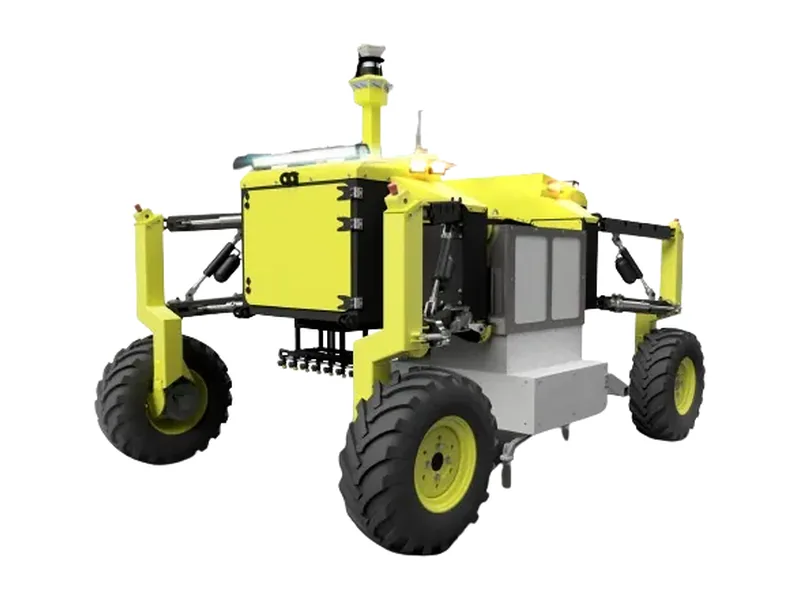
ETAROB
Solar multi-purpose vegetable field robot doing per-plant 'spot farming' from soil preparation and sowing to…
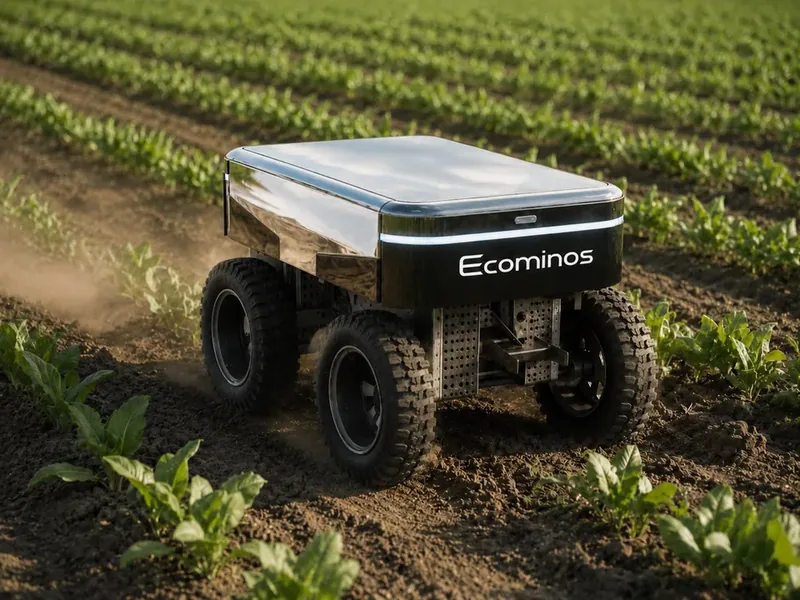
EcominoS
Compact battery-electric modular field robot for row-planted vegetables on small and medium organic and…
From €18,000
How much they cost
Few makers publish prices, and the published ones run from €13,500 to €320,000.
Our catalogue lists 42 robots from 35 makers. 7 of them have a published price. For all the others you must ask the maker.
The cheapest published price is €13,500, for a light electric robot kit for market gardens. The dearest is €320,000, for a large tracked driverless tractor. The middle price is €95,000.
Compare like with like. A driverless tractor replaces a whole tractor. A small robot does one or two jobs on a smaller area.
Ask what the price includes:
- The RTK correction signal (often a yearly subscription)
- Seeding and hoeing tools
- Batteries, chargers or solar panels
- Training and service visits
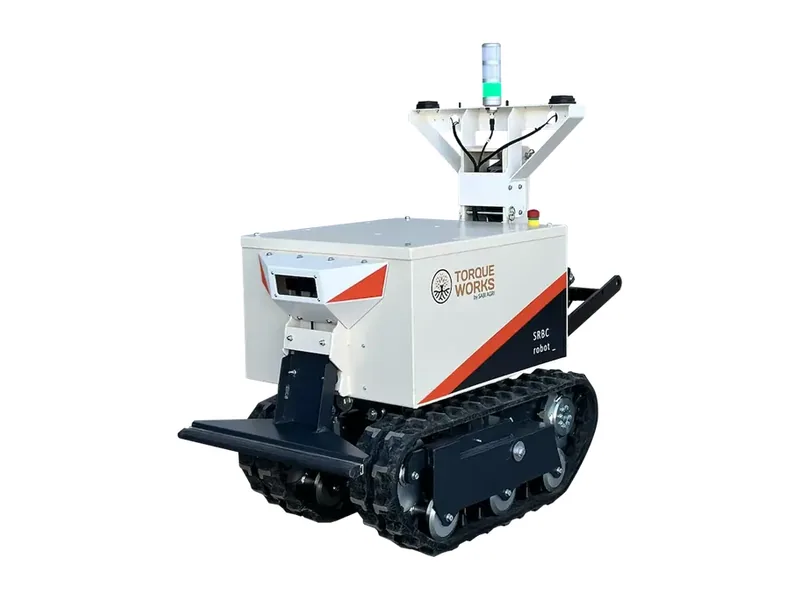
SRBC robots
Lightweight modular electric field robots/robot kits (bed-straddling or inter-row) for market gardening: hoeing…
€13,500–17,250
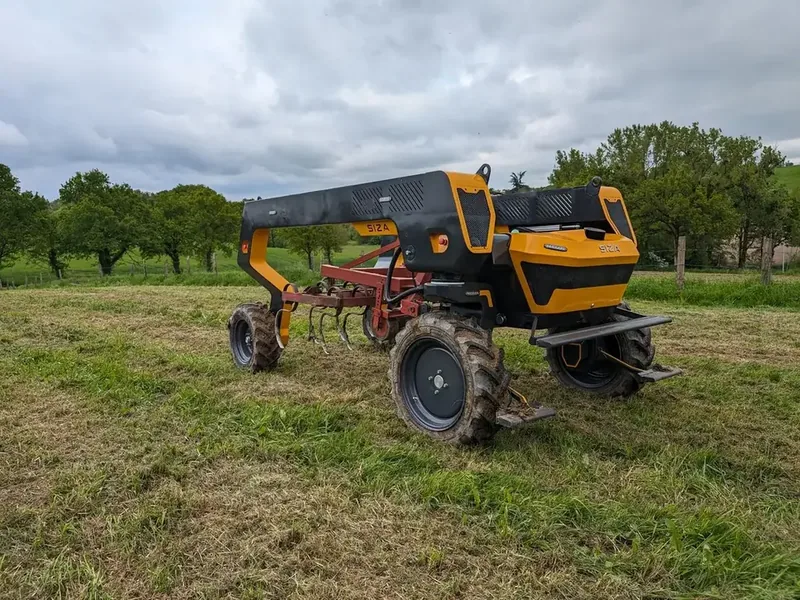
TOOGO 2.0
Autonomous 100% electric variable-track tool carrier with Cat-2 3-point hitch, PTO and hydraulics for row crops…
From €129,000
The main kinds
Choose between small seed-and-weed robots, driverless tractors, retrofit kits, drones and special planters.
The robots in this group do very different jobs. Knowing the kind helps you compare the right models.
Small seed-and-weed robots
Light robots, often solar or battery powered. They sow, save the seed map, and then hoe the same rows. They suit vegetables and row crops.
Driverless tractors and tool carriers
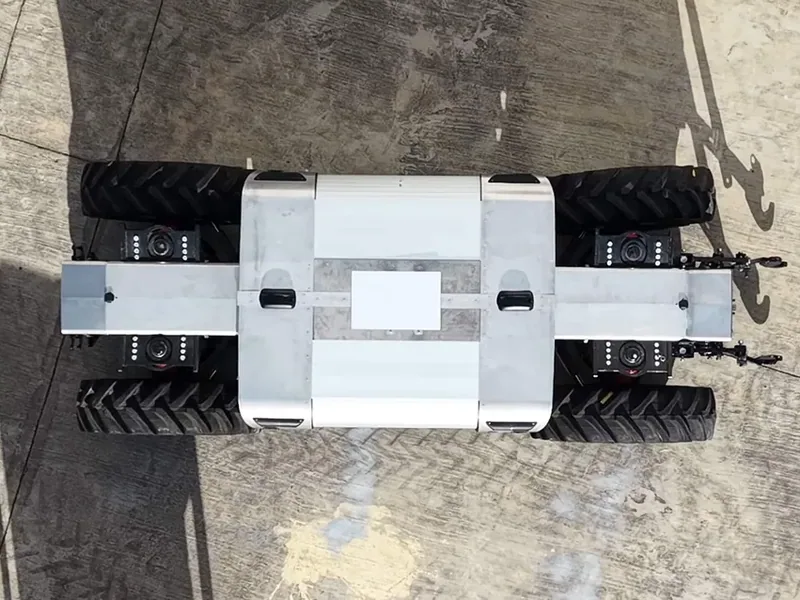
A tool carrier is a machine built to carry and pull implements (tools). These robots pull your normal seed drill or planter on a rear hitch. They run on diesel, diesel and electric, or batteries.
Most can also cultivate, spray or mow, so one machine covers many jobs.
Retrofit kits
A kit of sensors, cameras and a control box turns your existing tractor into a driverless one. Check that your tractor make and model is on the maker's list.
Drones
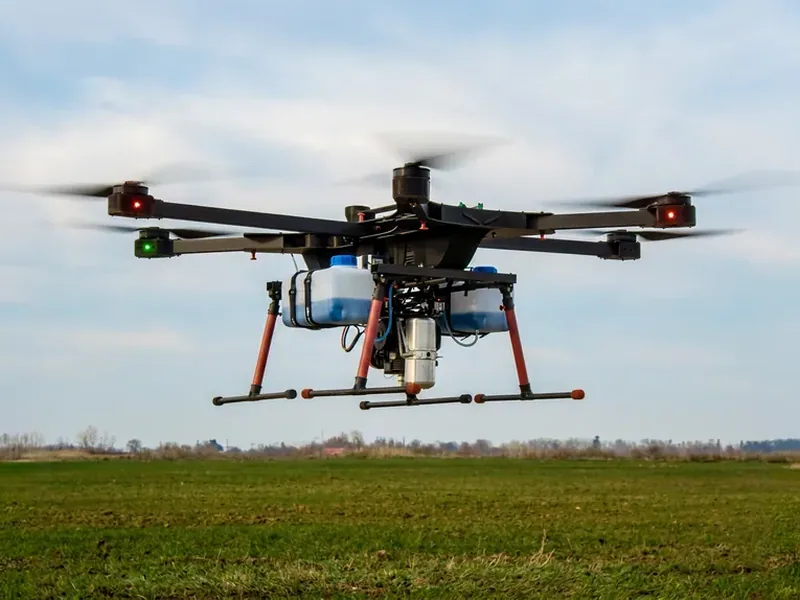
Flying robots spread seed from the air, for example cover crops or seed for replanting land. They are fast, but the seed falls on the surface instead of being drilled into the soil.
Special planters
Some robots do one special job: planting rice, planting tree seedlings, or reseeding gaps in grassland after removing weeds.
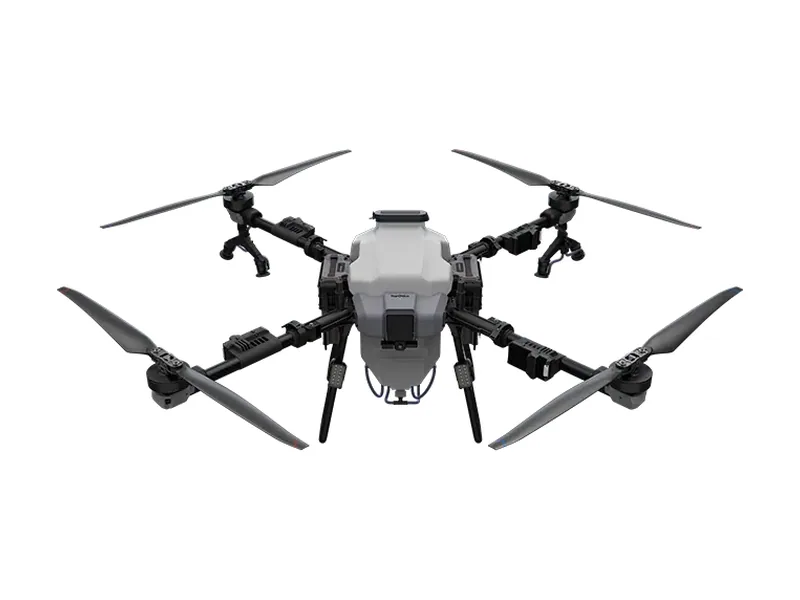
FP700
Quadcopter ag drone with 60 L spray tank or 80 L spreader for pesticides, fertiliser and seed.
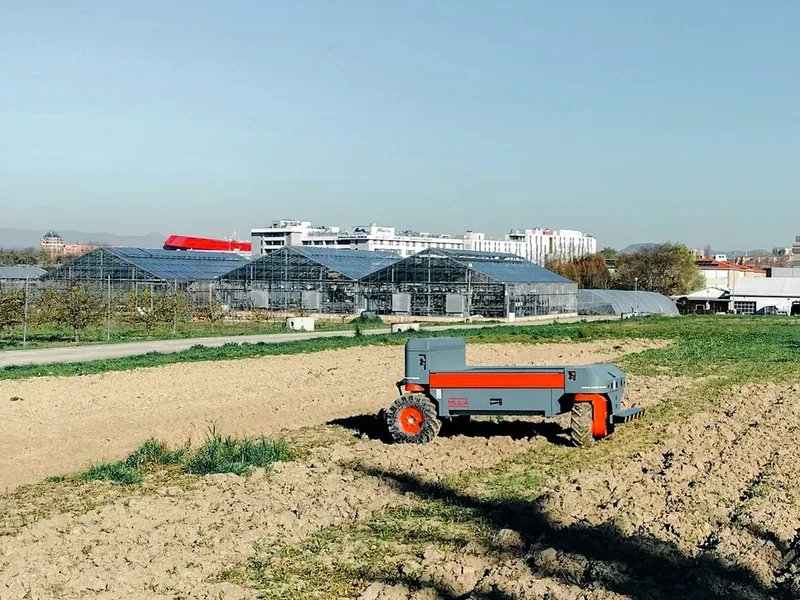
MULA 1250
Multipurpose autonomous electric 4x4 carrier that pulls/carries conventional implements (CAT I/II) for woody…
How to size it for your farm
Match the area per season and the work rate to the days you have for sowing.
Start with how many hectares (ha) you sow and how many days you have. The sowing window is short, so the robot must finish in time.
Makers give figures per season and per day. One small solar robot is rated for about 20 ha a season, at up to 6 ha a day. Its larger version is rated for about 60 ha a season, at up to 18 ha a day.
Check that the working width and the number of rows fit your bed or row system.
Drones cover much more ground: one lists 12-15 ha an hour. But tank size and battery time limit each flight, so plan for refills and spare batteries.
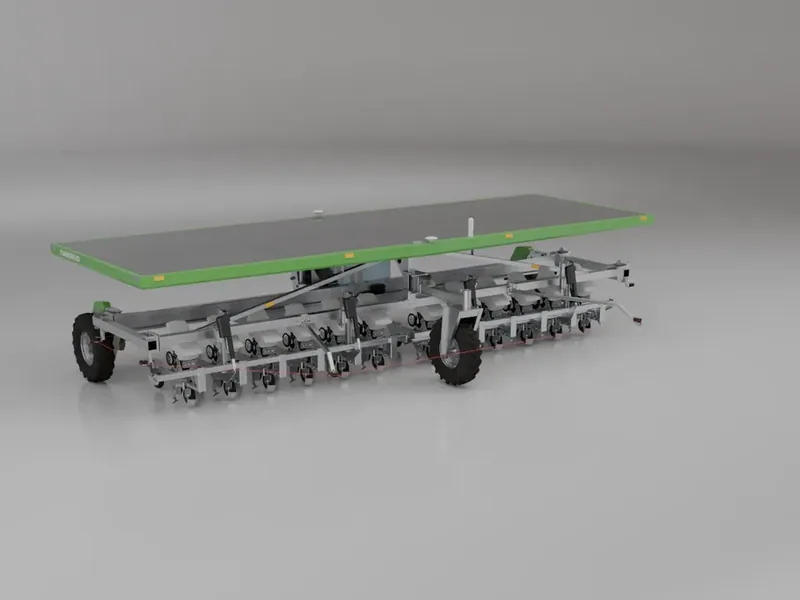
What to check before you buy
Check seed rate, crops, power, positioning signal and safety.
Ask the maker for clear answers on these points:
- Seeds per hour, or hectares per day
- Which crops and seed sizes it can sow
- Whether the seed map is reused for weeding
- Power: solar, battery charging time, or fuel use
Signal and connection
RTK needs a correction signal from your own base station or from a paid service. Many robots also use the mobile phone network to send alerts, so check coverage on your fields.
Safety and rules
Look for obstacle sensors, bumpers and a remote stop button. Ask your local authority whether a person must watch the robot while it works.
Service
Ask where the nearest dealer or technician is, and how fast spare parts arrive. A broken robot in the sowing window costs a whole season.
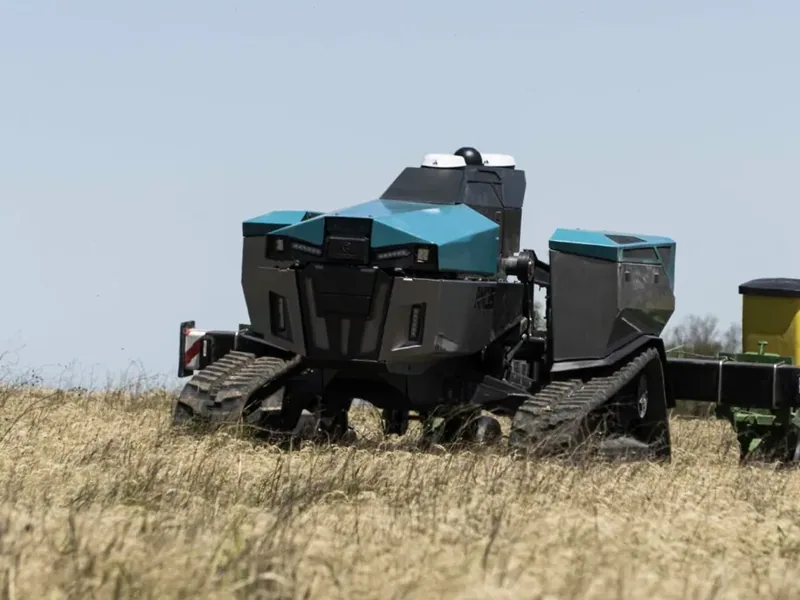
Amos autonomous electric tractor
Cab-less, fully electric, modular autonomous tractor with CAT II hitch for field and orchard work (cultivation…
Voltrac THOR
Cab-less, driverless battery-electric tractor/UGV built from scratch; uses standard 3-point implements (ploughs…
On sale, pre-order or prototype
19 of the 42 robots in our catalogue are on sale now. Check the stage first.
Some robots are on pre-order: you reserve one before it is delivered. Others are in pilot (tested on real farms) or prototype (still being developed). A few are discontinued.
If you buy a discontinued or early model, ask in writing about spare parts and software support.
Robots for special jobs, such as rice, trees or grassland, are mostly sold on request or still in pilot. Ask for a demonstration on your own land.
Which one is for me?
- Market garden on beds, much work done by hand today: Look for a light electric robot that fits your bed width, with seeding and hoeing tools and a battery that lasts a full working day. For example Oz.
- Vegetable or sugar beet grower, around 20 ha of row crops: Look for a seed-and-weed robot that saves the seed map and hoes around each plant. Check the number of rows and the work rate per day. For example FarmDroid FD20.
- Large arable farm with its own seed drills: Look at driverless tractors or retrofit kits. Check hitch lifting power, which implements work with it, and the safety rules for unmanned machines. For example AgBot T2 5 Series.
- Farm sowing cover crops or reseeding hard-to-reach land: Look at drones with a seed spreader. Check tank size, flight time per battery and the local rules for farm drones. For example JT30L-606.
Compare all 42 seeding and planting robots in the catalogue by stage, price and specs. Then ask two or three makers for a demonstration on your own field.