Robots by place
Pick where the robot has to work.
Crop farming
Vineyards
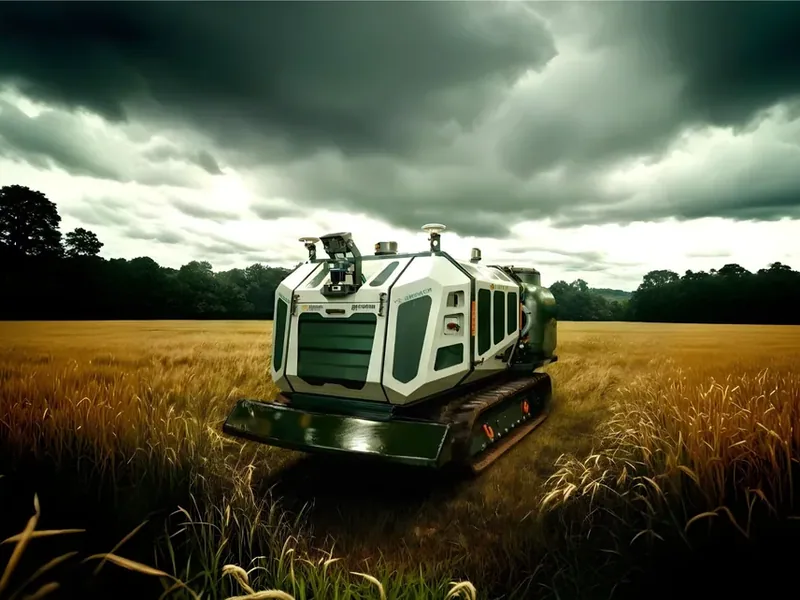
Vineyards are one of the busiest places for farm robots.
84 robots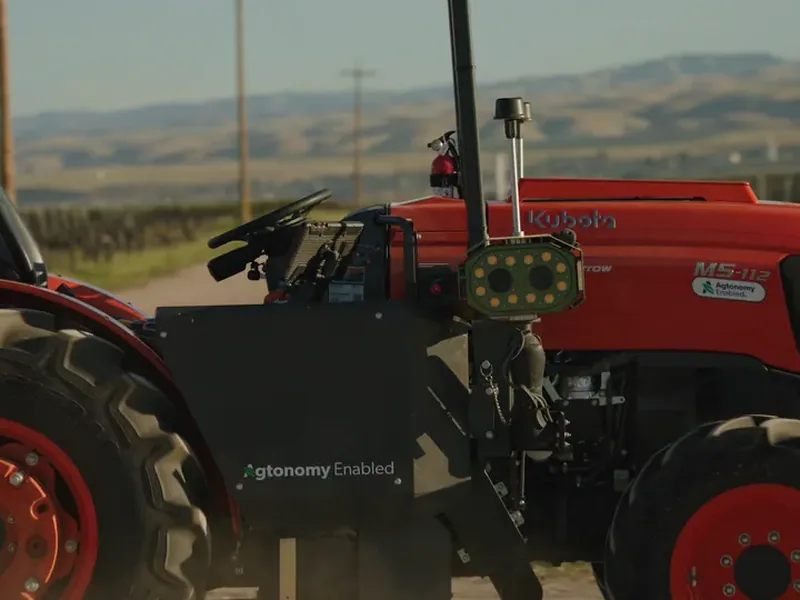
Orchards & tree crops
Apple, pear, citrus, stone-fruit, olive and nut orchards use robots for spraying between the rows, mowing, carrying bins and, more and more, picking fruit.
80 robots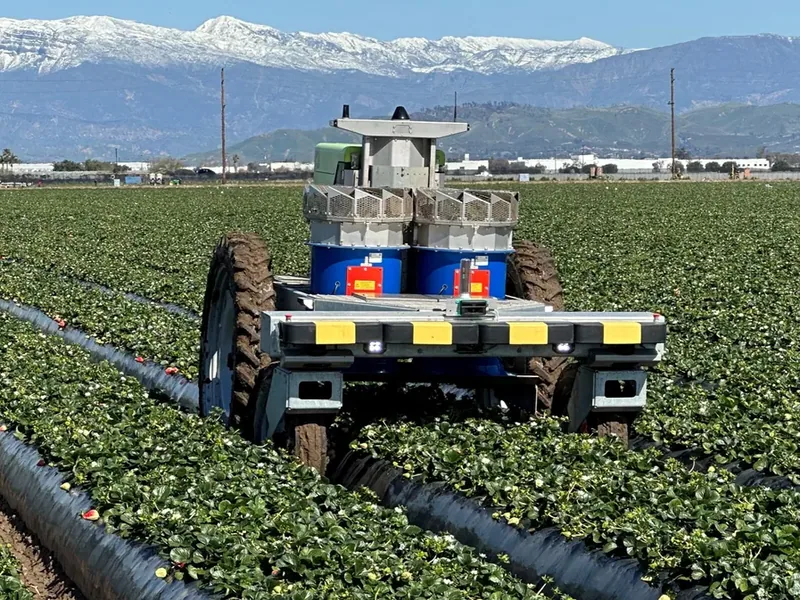
Berries & soft fruit
Strawberries, raspberries and blueberries are picked by hand, and labour is the biggest cost.
45 robots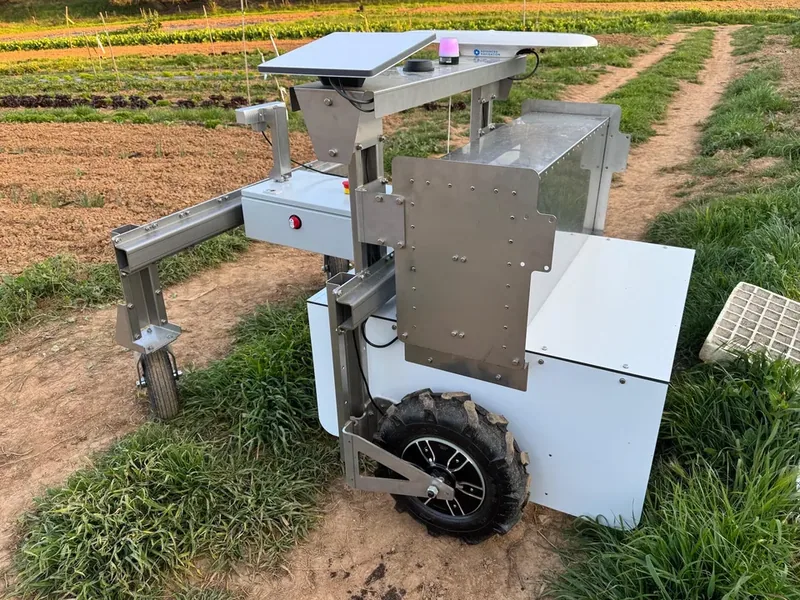
Vegetables & herbs
Vegetable and herb growers use robots mainly for weeding inside the crop row, where hoes and herbicides struggle, and for precise seeding and spraying.
82 robots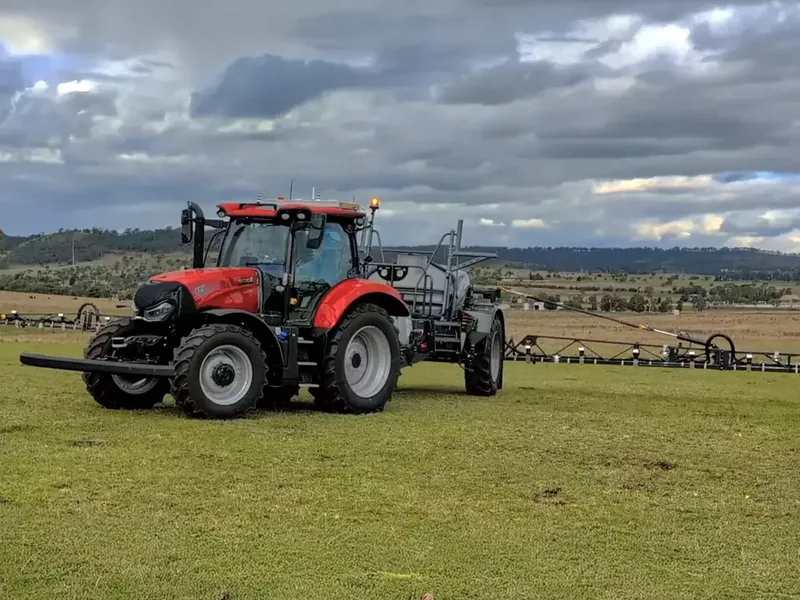
Arable & field crops
On arable land (cereals, sugar beet, maize, soy) robots seed, hoe and spot-spray across large areas, often working day and night at low speed instead of one big tractor working fast.
68 robots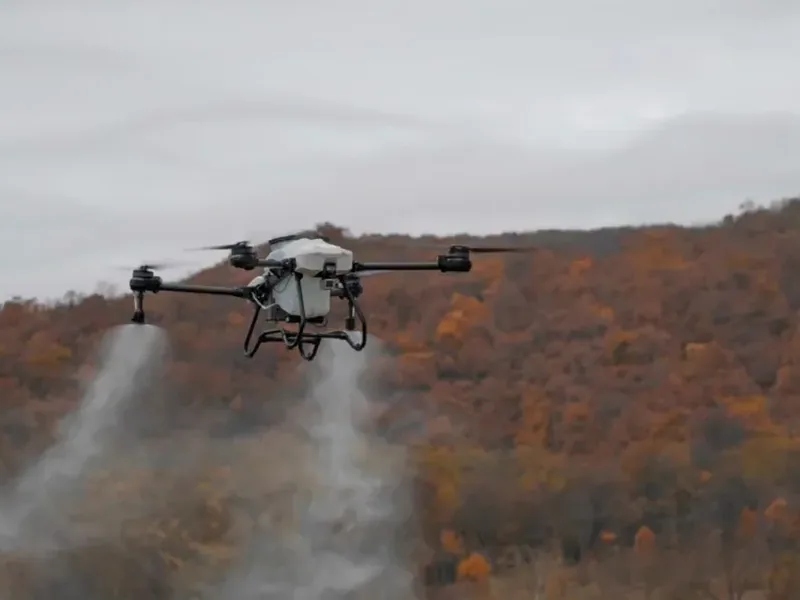
Multi-crop & general farm use
General-purpose farm robots and carriers that take different tools and work across several crops, plus autonomy kits that turn ordinary tractors into driverless ones.
151 robots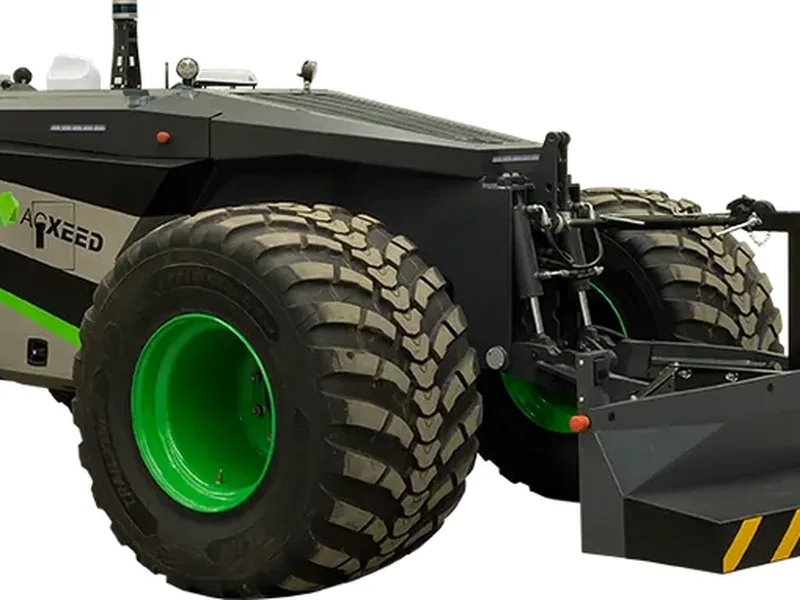
Greenhouses & nurseries
Greenhouses and nurseries are closed, predictable spaces, which makes them easier for robots: moving pots, spraying, monitoring plants and handling flowers and bulbs.
43 robotsLivestock
Dairy farms
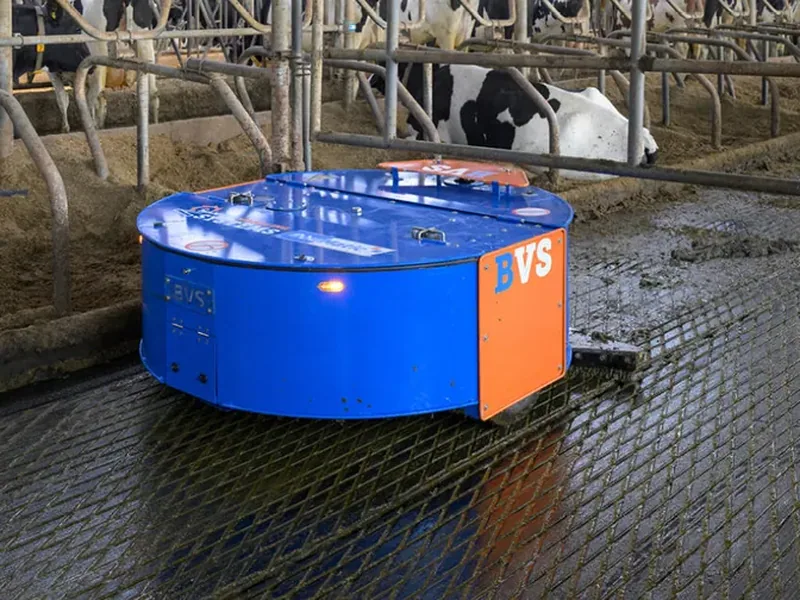
Dairy farms were among the first to adopt robots at scale.
61 robots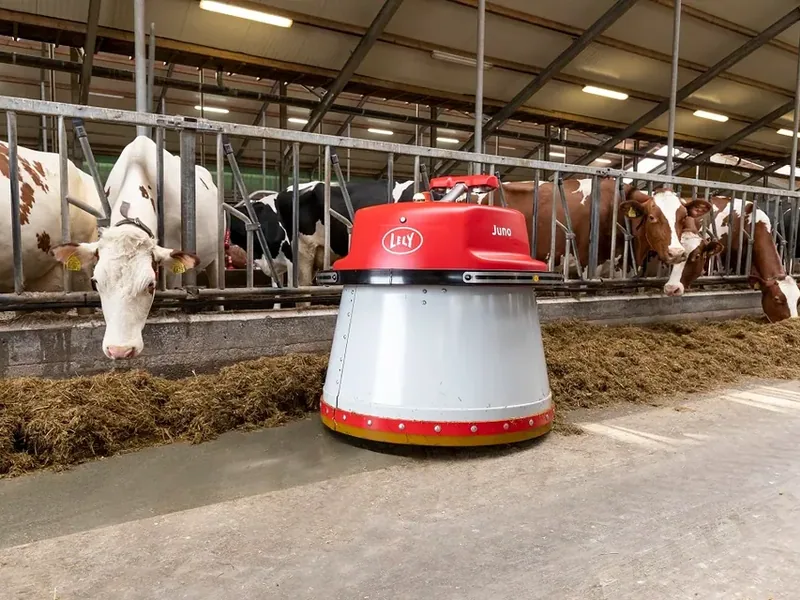
Beef cattle, sheep & pasture
Robots for beef cattle, sheep and pasture: automatic feeding and mixing, virtual fencing and herding, and moving animals on rotational grazing.
16 robots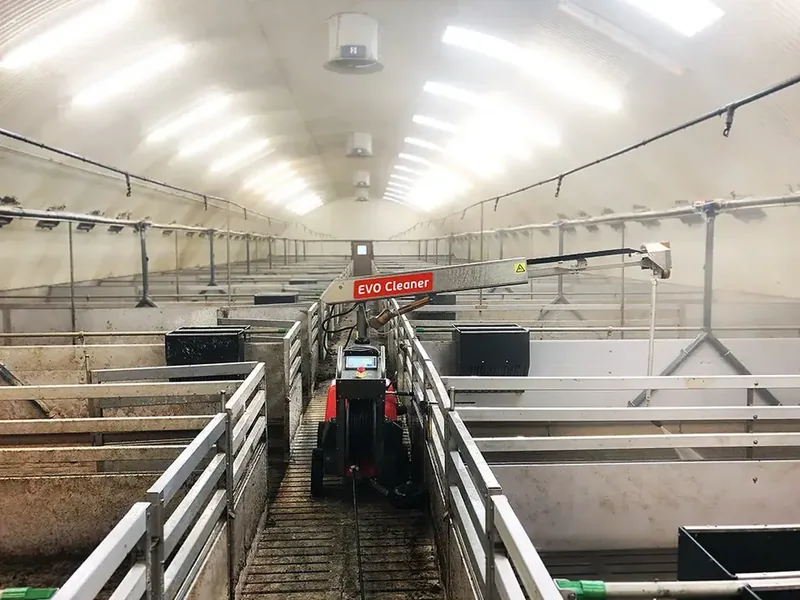
Poultry houses
In broiler, layer and turkey houses, robots walk the floor to keep litter dry, stimulate birds to move, collect floor eggs and report dead birds, cutting the time people spend in the house.
17 robots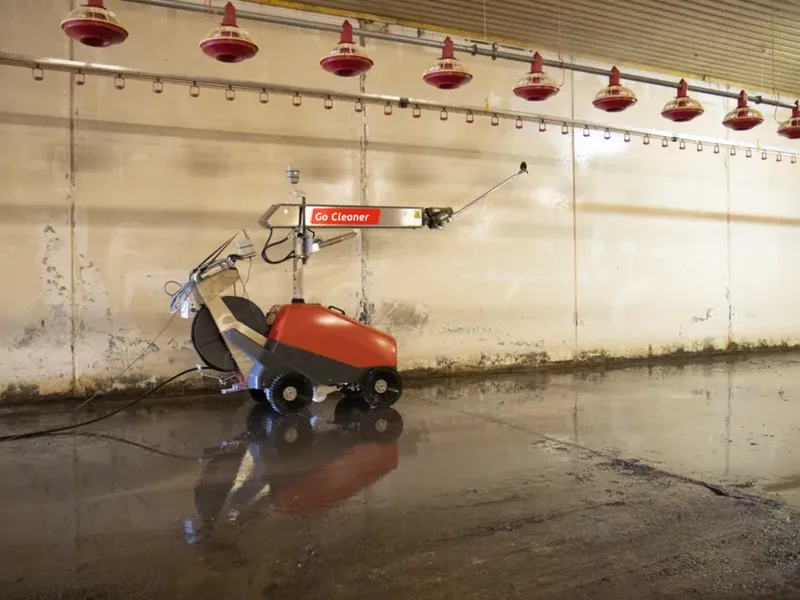
Pig farms
Pig farms use robots mainly to wash pens between batches, one of the dirtiest and most time-consuming jobs on the farm.
14 robotsLawns, sports & grounds
Home gardens
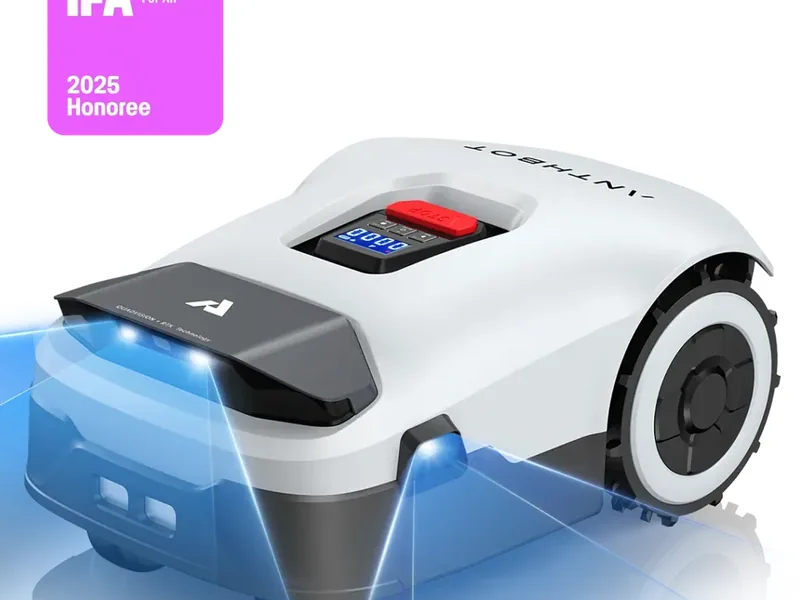
Robot lawn mowers for private gardens.
129 robots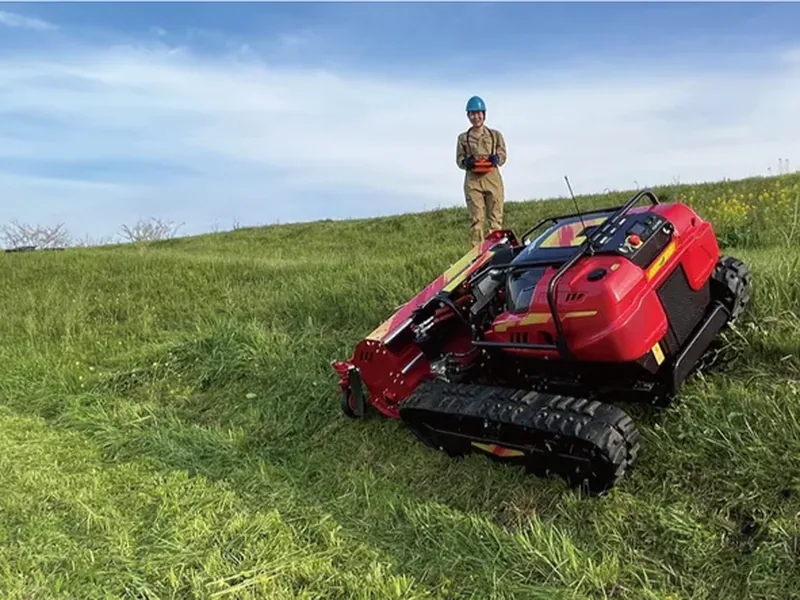
Parks, verges & commercial grounds
Robots for public parks, roadside verges, business parks and other commercial grounds, where large areas and rough grass need regular mowing.
40 robots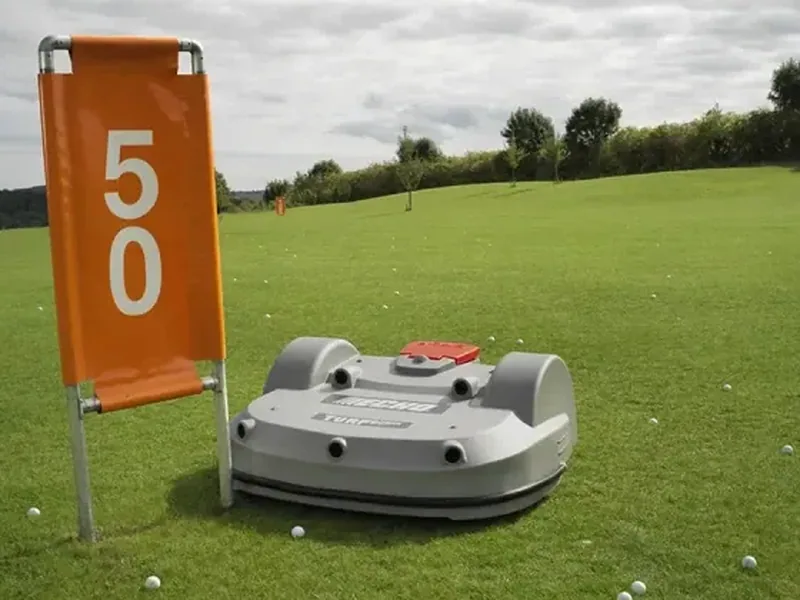
Golf courses
Golf courses use robot mowers on fairways and roughs, robots that collect driving-range balls, and machines that keep greens and tees in shape between staff rounds.
27 robots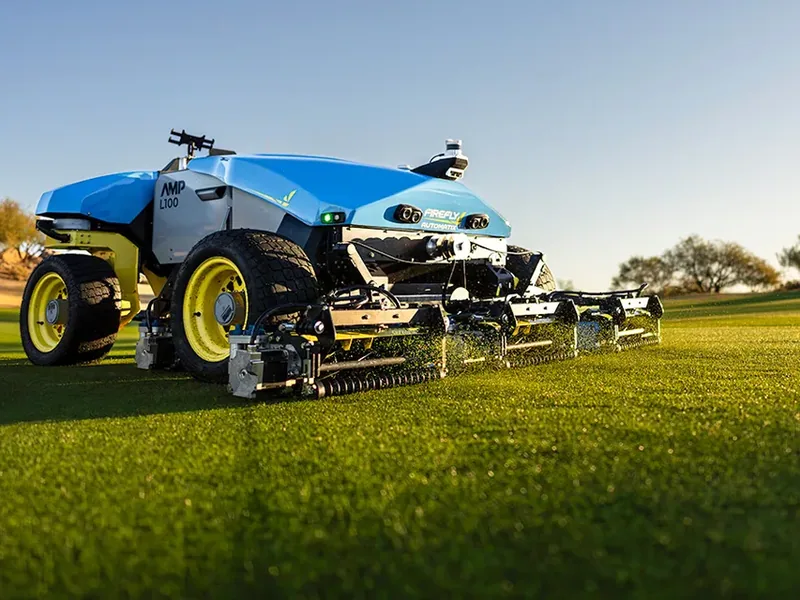
Sports pitches
Football and other sports pitches use robots to paint lines from GPS plans in minutes, and robot mowers to keep the grass at match height every day.
37 robotsSolar & energy
Solar farms
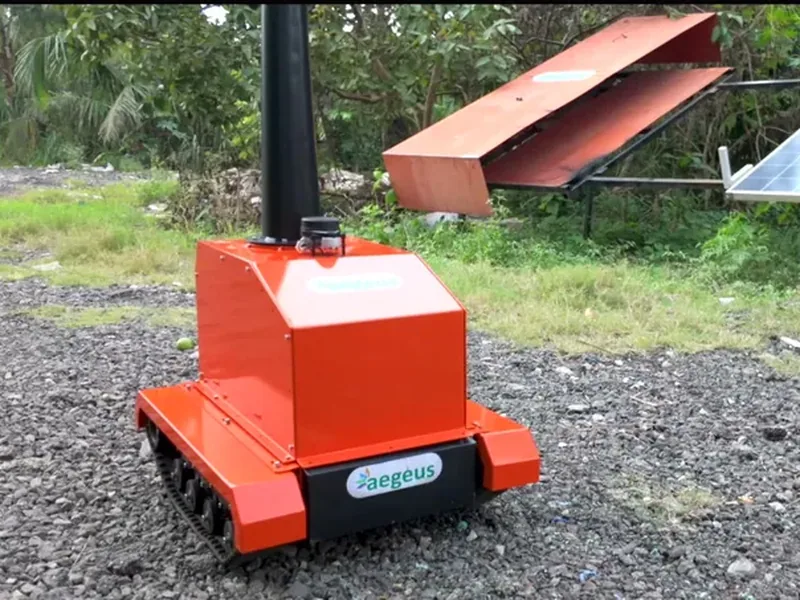
Large solar farms have kilometres of panel rows.
109 robots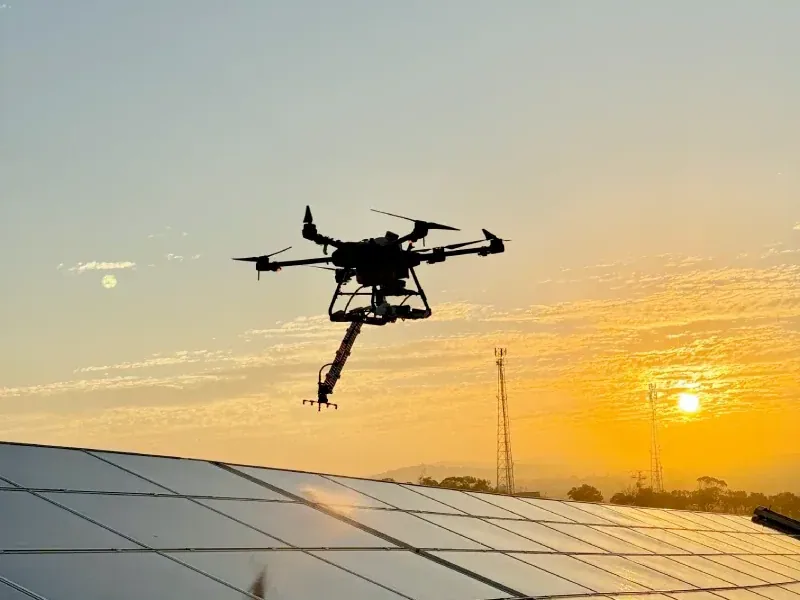
Rooftop & commercial solar
Rooftop and commercial solar systems are smaller and harder to reach.
13 robots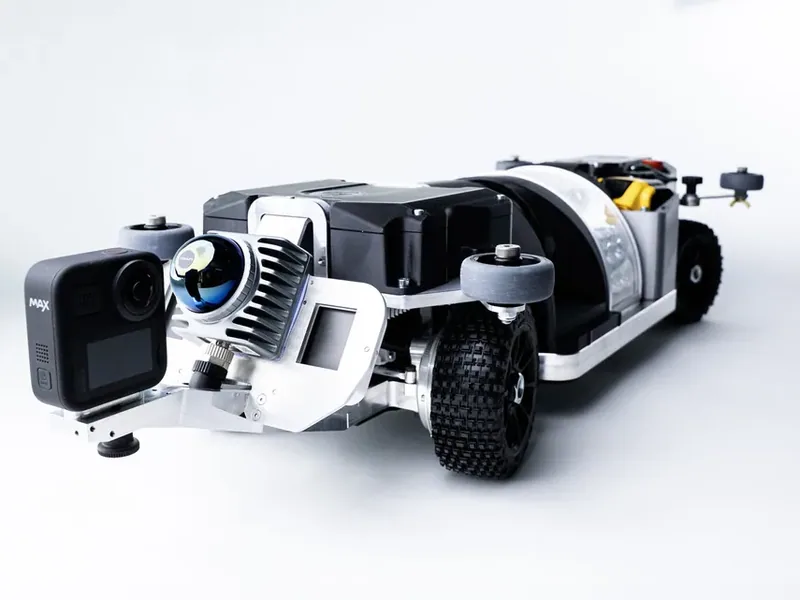
Wind farms
Wind turbines need their blades inspected and repaired high above the ground, a slow and risky job for rope teams.
11 robots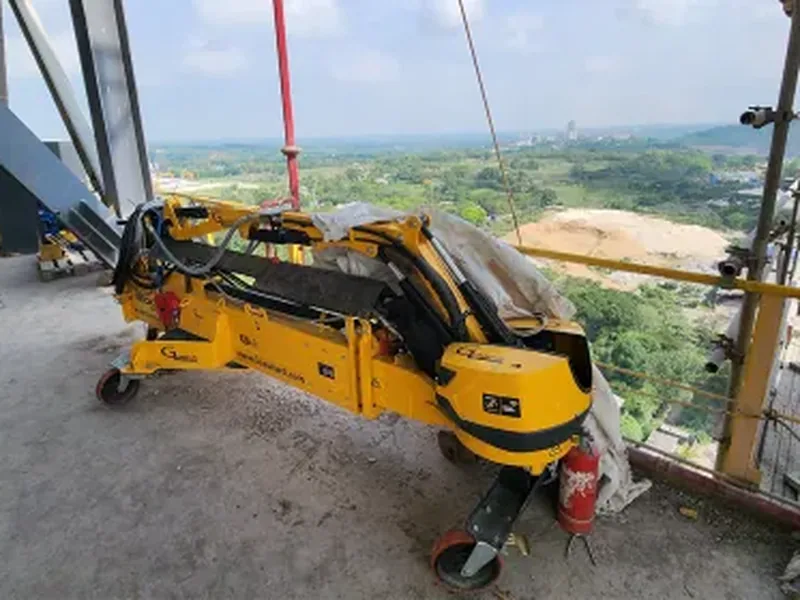
Industrial plants & energy assets
Refineries, steel and aluminium plants, tanks, pipelines and wind towers use robots for inspection, cleaning and repair in hot, high or hazardous places.
7 robotsConstruction & infrastructure
Building sites
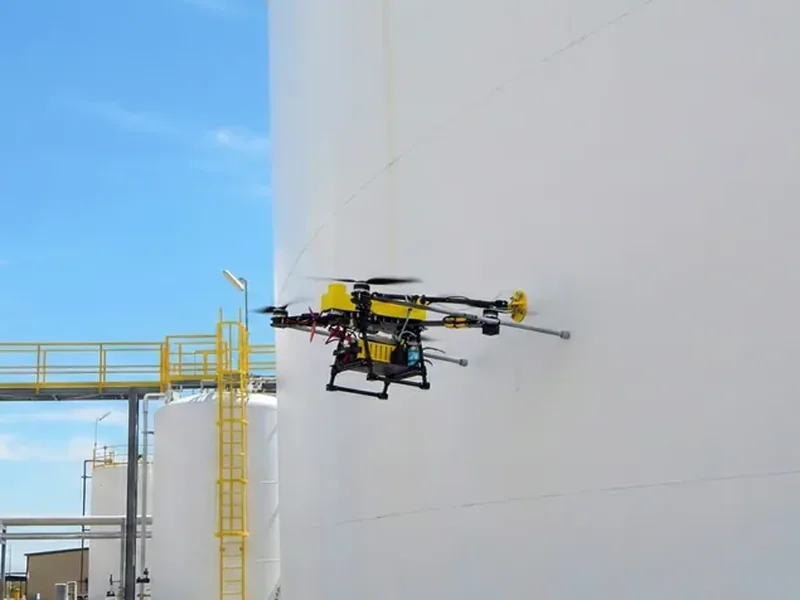
On building sites robots mark plans on floors, drill ceilings, print walls, lay bricks, install glass and paint, taking over repetitive and physically hard tasks.
167 robots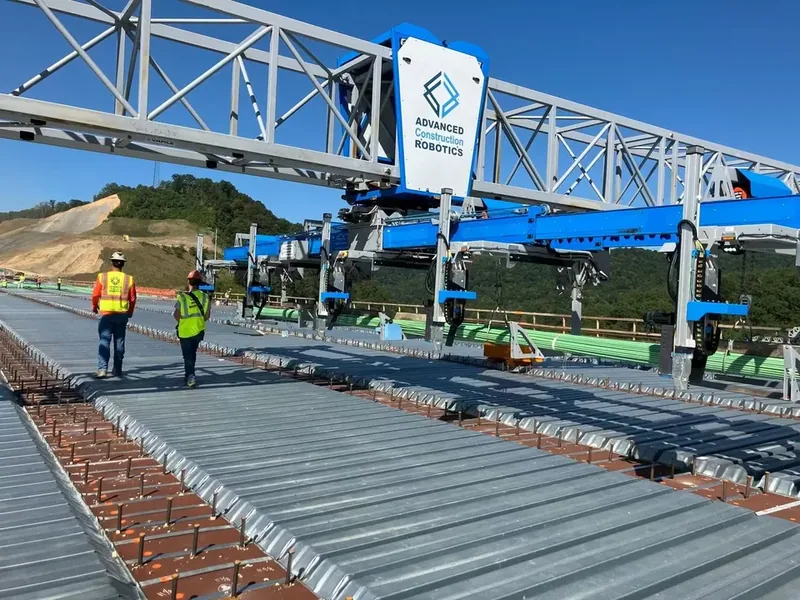
Roads, bridges & tunnels
Roads, bridges, tunnels and dams use robots for concrete removal, compaction, inspection and scanning, often in places that are dangerous for people.
62 robots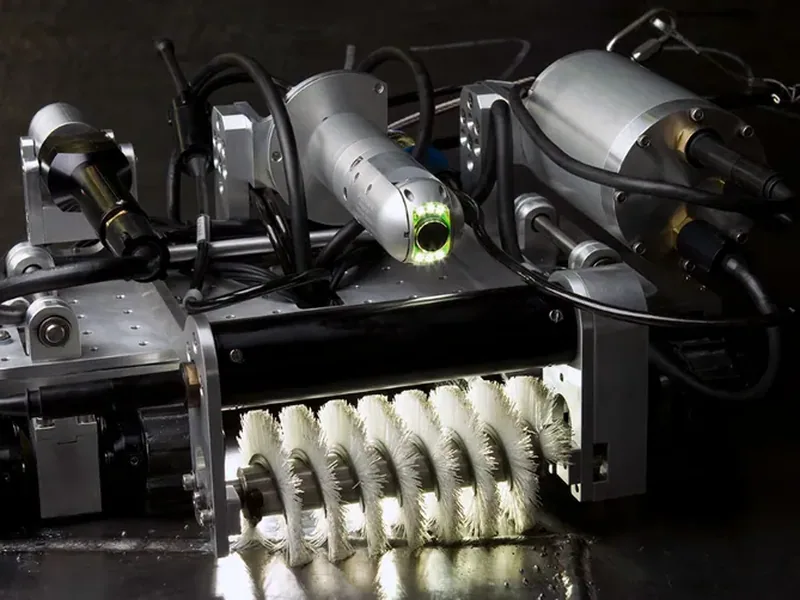
Sewers & pipelines
Sewers, water mains and gas pipes are inspected and repaired from the inside by crawler robots with cameras, lights and cutting tools, so streets do not have to be dug up to find a fault.
17 robots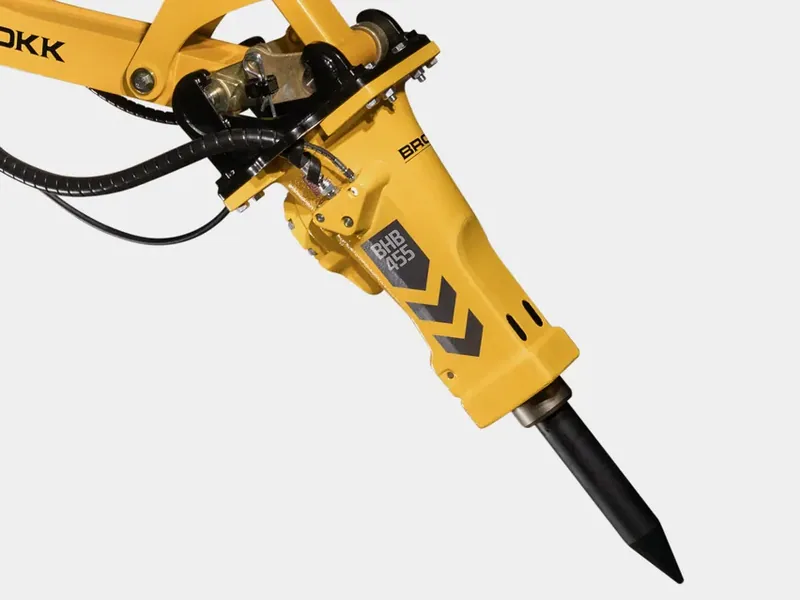
Earthworks, mines & quarries
Earthworks, quarries and mines use autonomy kits on excavators, dozers, rollers and haul trucks, plus remote-controlled and scanning robots underground.
42 robots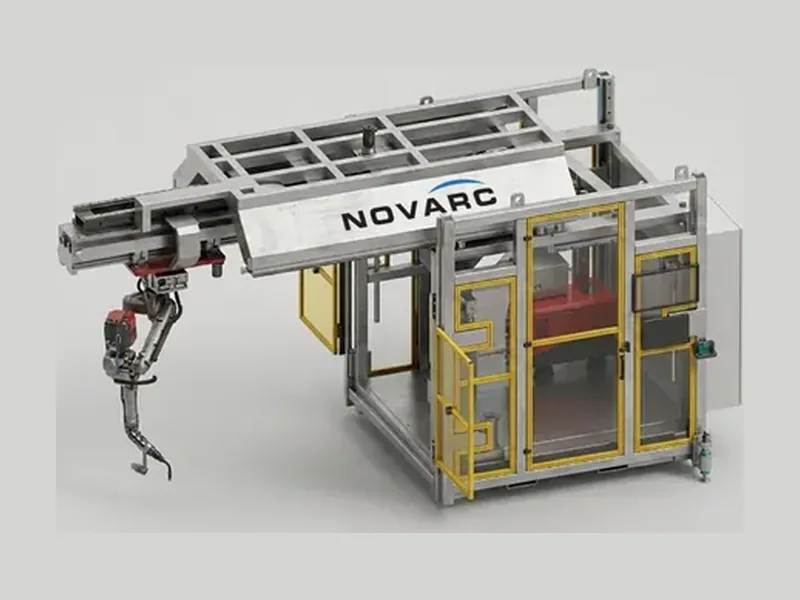
Prefab & fabrication shops
Prefabrication and fabrication shops use robots for welding pipe spools, tying rebar cages and assembling parts before they go to site.
4 robots