Pipe and sewer inspection robots
Pipe & sewer robots buyer’s guide
Crawler robots that drive through sewers and pipes to film, measure and repair them from the inside.
What a pipe robot does
A pipe robot drives inside a pipe so people don't have to dig or go in.
A pipe robot is a small vehicle, called a crawler, that drives through sewers and other pipes. It films, measures and sometimes repairs the pipe from the inside.
The crawler runs on wheels or tracks. It carries lights and a pan-tilt camera, which is a camera that can turn left and right and up and down.
A cable, called a tether, links the crawler to a van or control unit above ground. The cable carries power, the camera picture and your commands.
Some crawlers also measure the shape of the pipe with a laser or with sonar (sound waves that work under water). Repair versions carry cutters and milling heads to grind and cut inside the pipe.
How much it costs
No maker shows a price, so ask for a full quote with everything included.
Our catalogue lists 35 robots from 12 makers. 34 of them are on sale now. Only 1 of them has a published price. Every maker asks you to request a quote.
A crawler is usually one part of a full system. When you ask for a quote, ask what is included:
- Crawler, camera heads and cable reel
- Control unit or van fit-out
- Report software and its licence
- Training, service and spare parts
The main kinds
Choose the kind by the job: look, look into side pipes, repair, or survey big pipes.
Most models are inspection crawlers. Some are built for repair work or for special pipes.
Mainline crawlers
These drive through the main sewer or storm pipe and record its condition. Many can change wheels or camera heads for different pipe sizes.
Lateral crawlers
A lateral is the smaller side pipe that joins a house or building to the main sewer. A lateral crawler drives in the main pipe and pushes a second camera into the side pipe.
Some can also find cross-bores. A cross-bore is a gas or other pipe that was drilled through a sewer by mistake.
Repair and milling robots
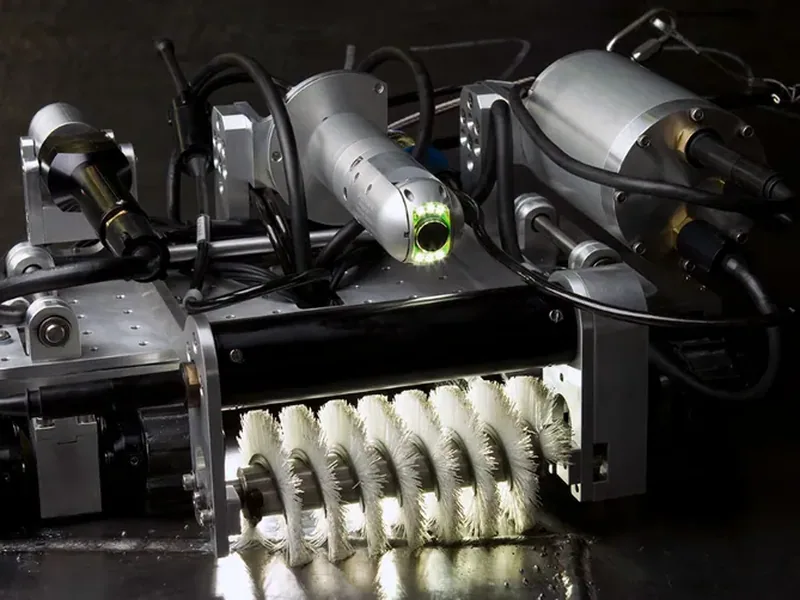
These robots cut and grind inside the sewer. A common job is reopening side pipes after relining, which means putting a new lining inside an old pipe.
Large-pipe and special tools
Floating platforms with several sensors survey big pipes that are partly full of water. Other tools scan a manhole all the way round, or fly a caged drone inside tanks, tunnels and sewers.
How to size it for your job
Start with your pipe sizes and the longest run you need to drive.
First, list the pipe diameters you work with. Each crawler fits only a range of sizes, and small pipes and very large pipes often need different machines.
Second, check the cable length. The cable sets the maximum distance the robot can drive from the manhole.
Third, think about water and dirt in the pipe. Deep water or heavy deposits can stop a small crawler, while a floating platform may suit big pipes that stay partly full.
If you inspect house connections often, make sure the system can reach side pipes, or plan for a lateral crawler.
What to check before you buy
Good reports and good service matter as much as the robot itself.
The robot's video is only useful if it turns into a clear report. Ask which inspection standard the software follows. An inspection standard is a shared set of codes for pipe faults that your client or city may require.
Ask how the software stores video, measurements and pipe maps, and whether you can share them with your clients.
Check service and repair close to you. The camera head and cable wear out, and a broken crawler stops your crew.
Check safety rules. A robot keeps people out of confined spaces, but your crew still needs safe access to manholes and traffic control on the street.
Beyond sewers: gas mains and buried pipes
Some robots work in live gas mains or map pipes from above ground.
Not every pipe robot is for sewers. One robot in the catalogue travels inside live cast-iron gas mains and seals the joints from inside. Its maker lists pipe sizes of 12"-14" and 15"-48".
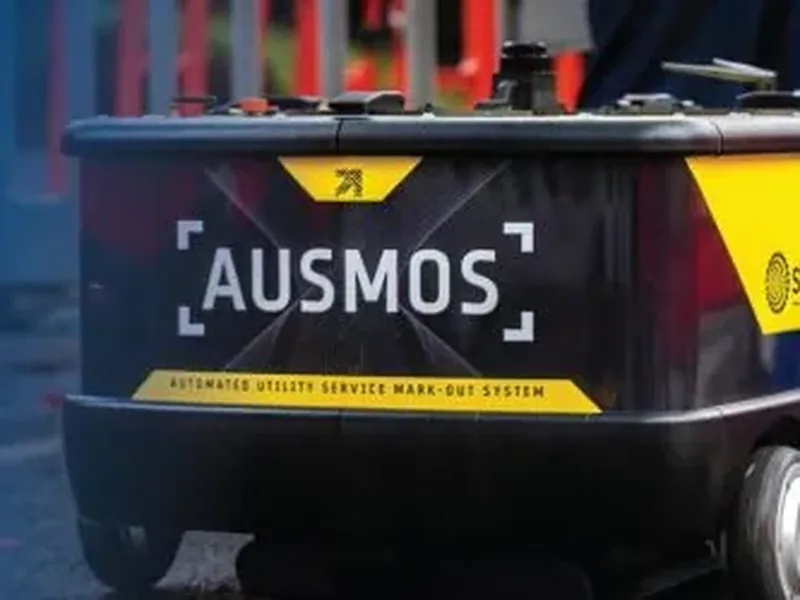
Another robot works on the surface. It uses ground-penetrating radar, which sends radio waves into the ground, to map buried pipes and cables. Its sales stage is unknown, so ask the maker if you can buy it.
Which one is for me?
- Small town water or sewer department: Look for a mainline crawler that fits your common pipe sizes, with simple report software that follows the standard your town uses.
- Drain contractor working on house connections: Look for a system that can inspect lateral pipes from the main sewer and can check for cross-bores.
- Large city utility with big trunk sewers: Look for a floating or multi-sensor platform that can measure the shape of large pipes that are partly full of water.
- Relining and sewer repair company: Look for a milling robot that can reopen side pipes after relining, and check service support near your work area.
- Industrial site with tanks, ducts and process pipes: Look for a modular tethered crawler that can carry different cameras and sensors into pipes and ducts.
Compare the pipe and sewer robots in our catalogue by pipe size, cable length and job type. Then ask two or three makers for a full quote.