Exoskeletons for work buyer’s guide
Exoskeletons that workers wear to take load off the back, shoulders or arms: for lifting, carrying, bending and work above the head.
What a work exoskeleton does
It takes some of the load off one part of the body. It does not make the worker stronger.
An exoskeleton is a frame, belt or vest that a worker wears over or under their clothes. It moves part of the strain from the back, shoulders, arms or neck to the hips and legs, where the body handles it better.
Passive models have no motor. They store energy in springs or elastic bands when you bend or lower your arms. They give it back when you stand up or lift.
Powered models use motors and a battery. They give more support and can adjust it to each task, but they are heavier and need charging.
Our catalogue lists 142 models from 51 makers. 135 of them are on sale now.
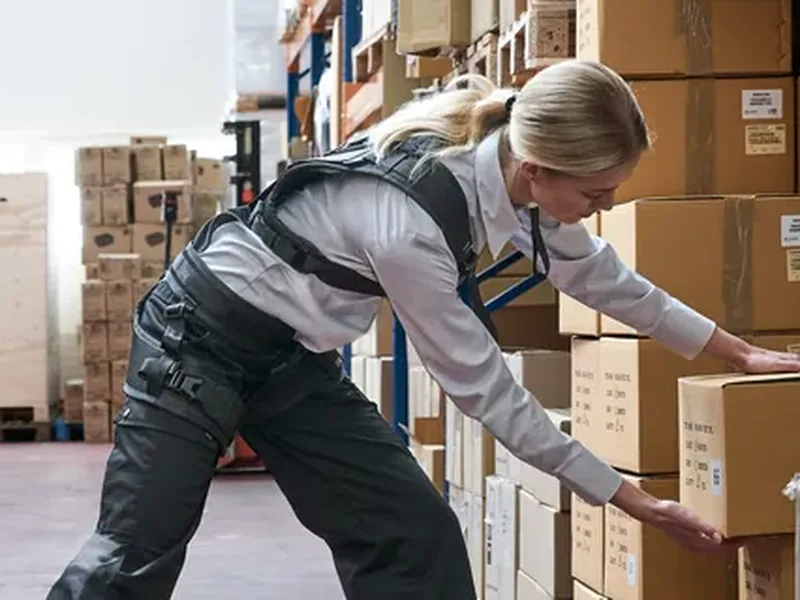
LiftSuit
Textile exoskeleton that reduces back and hip load during repetitive lifting and long forward-leaning work.
From CHF 950
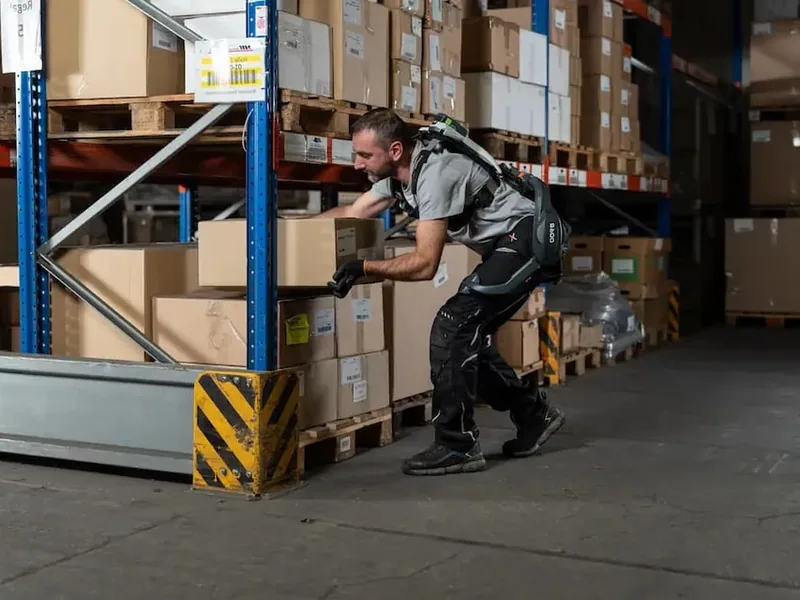
B900
Motorised back exoskeleton that relieves the lower back when lifting, carrying and working bent forward, e.g.
From €4,692
What it costs
A typical model costs around €1,950. Powered models cost more.
63 of the 142 robots in our catalogue have a published price. For the rest, you ask the maker or a dealer for a quote.
Euro prices run from €195 for a simple neck support to €9,995 for a powered glove. The middle price is €1,950.
Passive back and shoulder models with a euro price cost from €750 to €3,500. Powered models with a euro price start at €2,975.
Some makers give prices in Swiss francs, dollars or yen. Ask what the price includes: sizes, spare parts, batteries, charger, training and warranty.
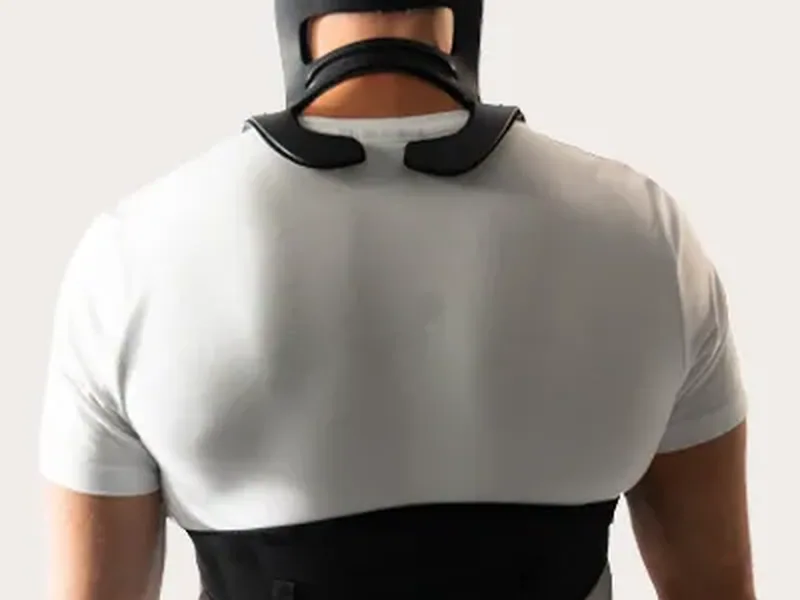
Skelex Neck
Neck support that holds the head during long overhead work such as ceilings, piping or driving cranes and…
From €195
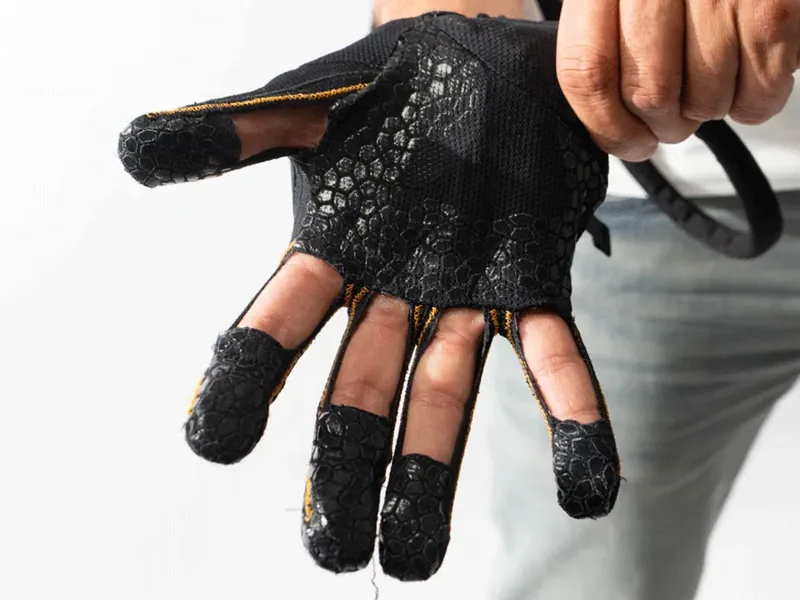
Skelex Ironhand
Powered glove that adds grip force for workers who hold and grip all day (foundries, assembly lines, leather…
From €9,995
The main kinds
First choose the body part that gets tired. Then decide between passive and powered.
Most exoskeletons support one body part. A few combine two, for example back and shoulders in one system.
Back support
For lifting, carrying and long bending work, like harvesting, sorting or laying floors. When you bend forward, the support helps pull the upper body back up.
Soft textile suits are light and some can go under work clothes. Models with a hard frame of metal or carbon fibre (a light, strong material) usually give more support but weigh more.
Shoulder and arm support
For work with the arms raised, like pruning, ceilings, painting or drilling overhead. A spring or gas spring (a sealed cylinder that pushes back) holds up the weight of the arms and tools.
Neck, hands and legs
Neck supports hold the head when you look up for a long time. Powered gloves add grip force. Leg models work like a chair you wear, so you can sit down at your workstation.
Tool arms
Some systems hold the tool, not your arm. They clamp to a scaffold or attach to a harness, and they carry heavy tools such as breakers or hedge trimmers.
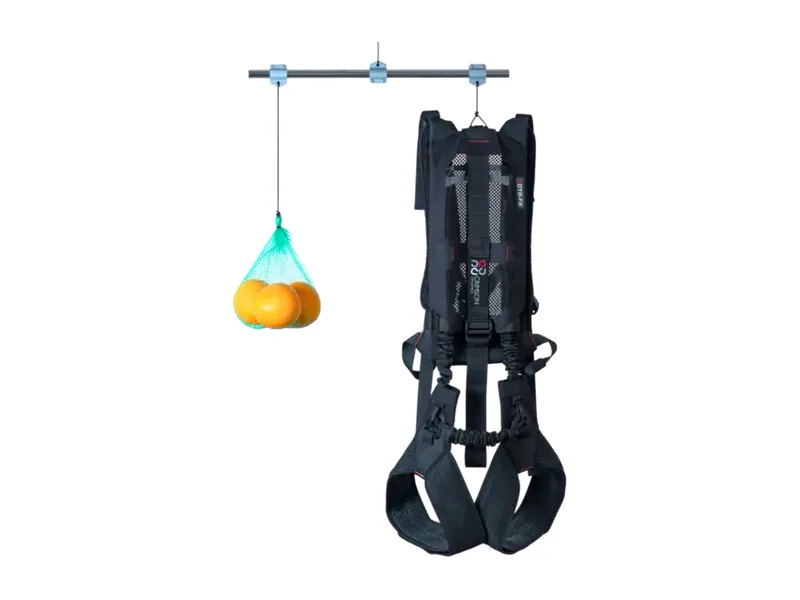
CDYB-Fit
Soft textile back-support exosuit with an elastic frame that assists the back muscles when bending and lifting…
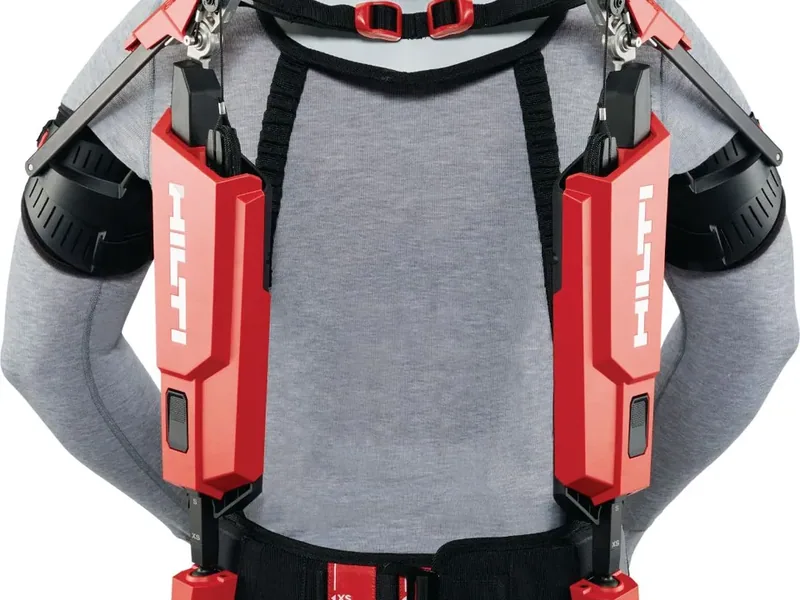
EXO-S Shoulder Exoskeleton
Shoulder exoskeleton that relieves shoulders and neck during overhead construction work such as drywall, ceiling…
From £1,215 / from $1,669
Matching it to the job
Watch the work first: what loads, how often, and in which position.
Spend a day watching the task. Note whether workers lift from the floor, stay bent for a long time, or hold their arms above the shoulders. Each needs a different kind of support.
Check the support force. Makers give it in kilos or in “kgf”, which is the push of that many kilos. A light textile back suit may give up to 15 kg, and some powered back models give up to 30 kg.
Think about the rest of the day. Can the worker walk, climb, kneel, sit or drive while wearing it? Does it fit with a safety harness, tool belt or hard hat?
- Repeated lifting: back support, powered if the loads are heavy all day
- Long bent work at ground level: light back support
- Overhead work: shoulder support, plus neck support if workers look up a lot
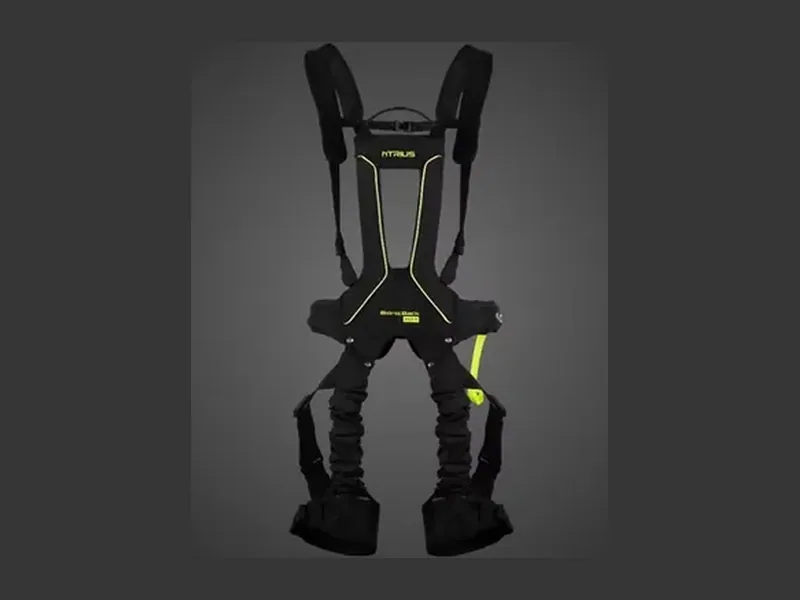
BionicBack MOVE
Back exoskeleton for dynamic lifting, optimised for workers who also sit and drive (delivery vans, forklifts…
From €2,580
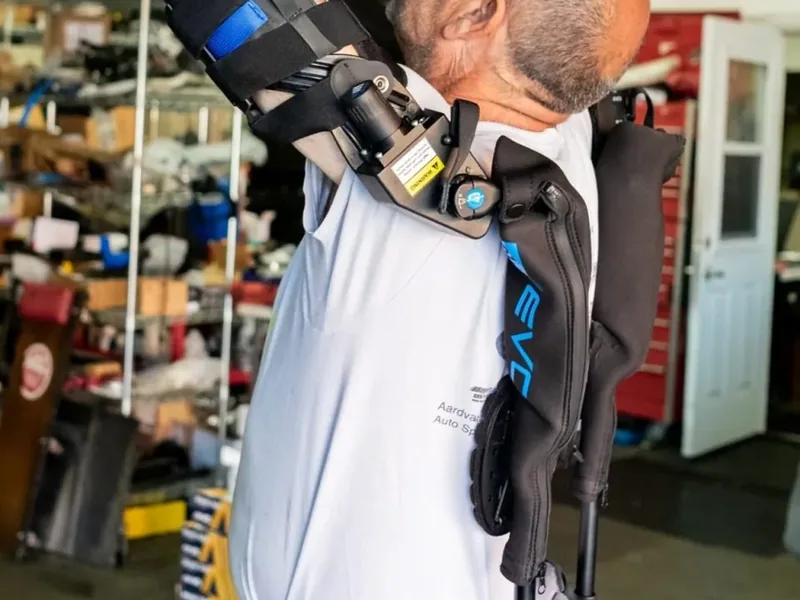
EVO Exoskeleton
Passive upper-body exoskeleton vest that holds up the arms and shoulders during repetitive chest-level and…
From $1,495
What to check before you buy
If it is hard to put on or uncomfortable, it will stay on the shelf.
Weight: models in the catalogue weigh from 0.15 kg for a neck support to 8.5 kg for a powered full suit. A lighter model is easier to wear all day, especially in hot weather.
Sizes and fit: some models come in one adjustable size, others in several sizes. Check that it fits your smallest and largest workers, women as well as men.
Putting it on: makers say it takes anything from 10 seconds to about a minute. Workers should also be able to switch the support off or take it off quickly.
Batteries: for powered models, check the runtime (makers give roughly 3 to 10 hours), the charging time and whether you can swap batteries.
- Washable straps and pads for dirty or sweaty work
- CE mark or PPE certification (personal protective equipment) where needed
- Warranty, spare parts and a dealer near you
- Protection from dust and rain for outdoor work
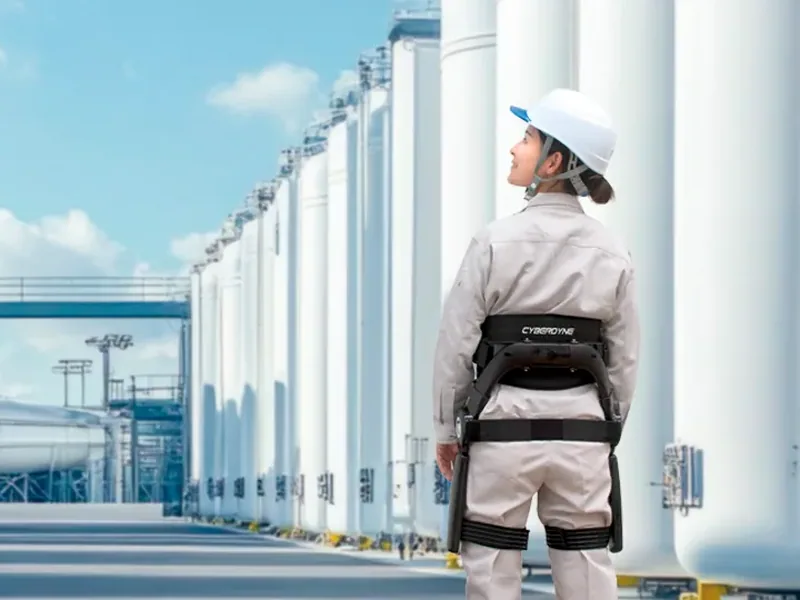
HAL Lumbar Type for Labor Support
Powered lumbar exoskeleton that reduces lower-back load during heavy lifting, twisting and holding a half-bent…
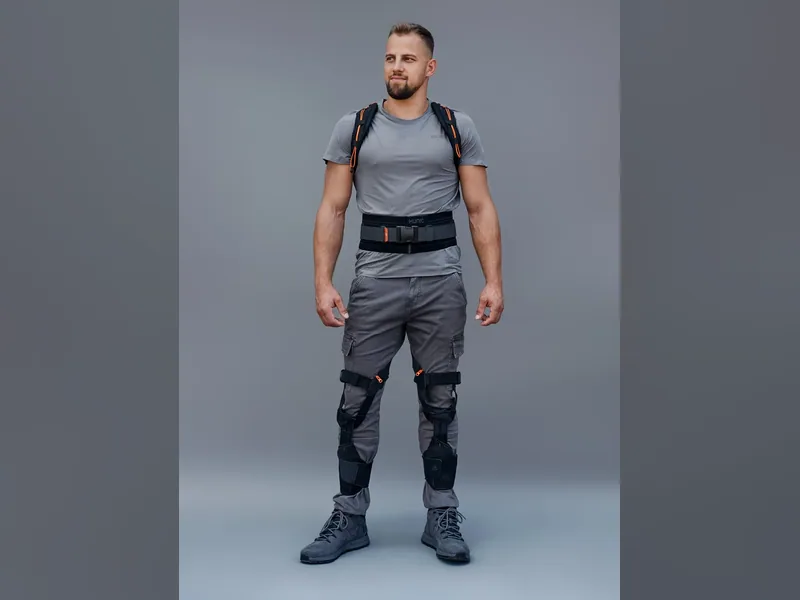
SoftExo Lift
Soft passive back exosuit with leg straps for lifting and bending work in logistics and industry.
From €2,400
Try before you buy many
Test it with your own workers on their real tasks before you order more.
Ask the maker or dealer for a trial. Let a few workers wear it for several days on their normal tasks, and ask them honestly how it feels.
Claims of less muscle strain usually come from the makers’ own tests. Your results may be different.
An exoskeleton does not replace lifting aids, a good work layout or breaks. It helps most when the hard task cannot be avoided.
If workers also walk, climb or drive between tasks, choose a model with an on/off switch or a free mode.
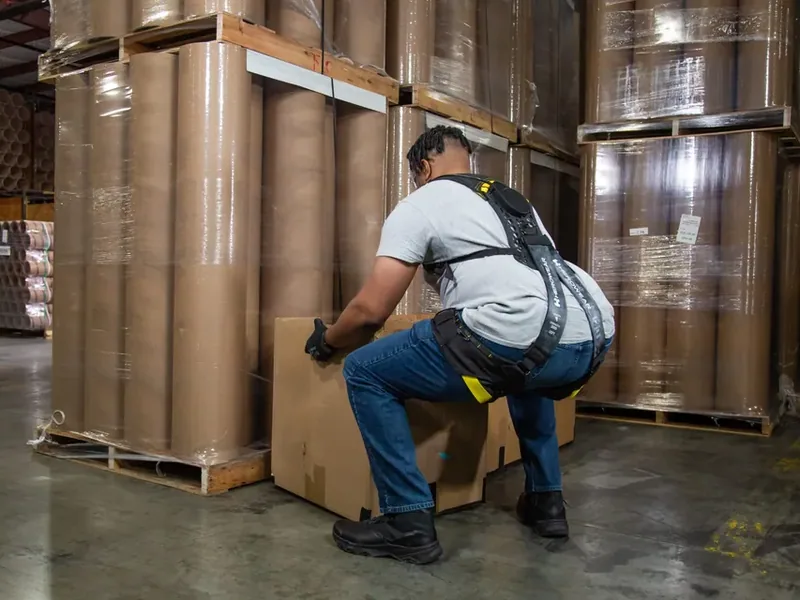
Apex 2
Back-assist exosuit whose elastic bands store energy when the wearer bends and give it back when standing…
From $1,999 per unit
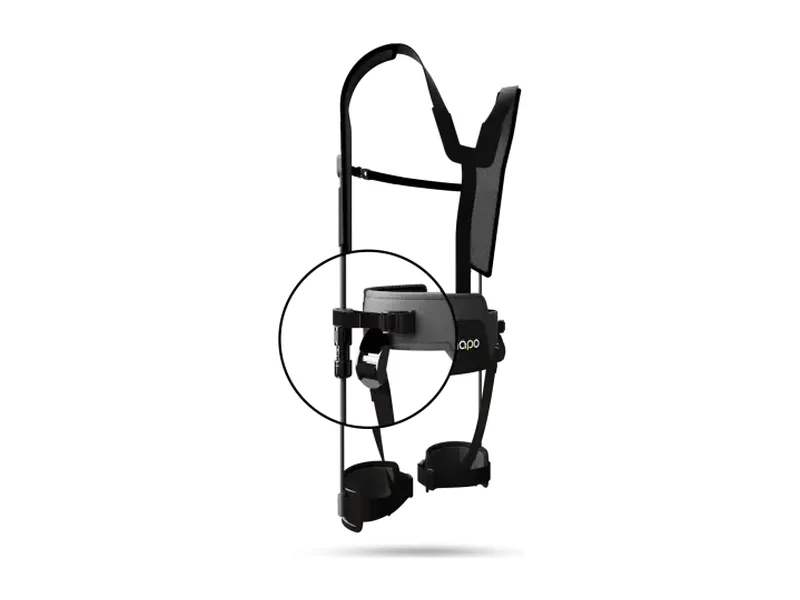
Hapo BACK
On-demand lumbar support (can be disengaged) for long bent postures and carrying loads.
From €1,999
Which one is for me?
- Vineyard or market garden with a lot of bending: Look for a light, passive back support in one adjustable size, so seasonal staff can share it. It should be quick to put on and easy to clean. For example EXOVITI.
- Orchard or tree work with pruning above the head: Look for a light shoulder support that is comfortable all day outdoors and does not block arm movement. For example PLUM'.
- Building contractor doing ceilings and overhead fitting: Look for a rugged shoulder support. Check that it works with your harness, tool belt and hard hat. For example MATE-XT.
- Warehouse or farm store lifting sacks and boxes all day: Look for powered back or back-and-arm support with a swappable battery, so one charge is not the end of the day. For example LU 20.
- Packing shed or workshop where staff stand all day: Look for a leg model that works like a wearable chair, so workers can sit at the line and still walk between tasks. For example Chairless Chair 2.0.
Compare the models in the catalogue by body part, support force, weight and price. Then ask two or three makers for a trial on your own site.